




Repowering

Repowering aging wind farms with larger, more efficient turbines is a growing trend in mature markets like Europe and the United States. However, upgrading to bigger rotors – often on existing tower heights – presents new challenges. When new, longer blades are added without significantly raising hub heights, the rotor sweep extends higher and closer to the ground. Traditional wind data from old met masts, or modeled data, may not cover these new extremes, leading to uncertainty in energy yield forecasts and turbine loading for repowered projects.
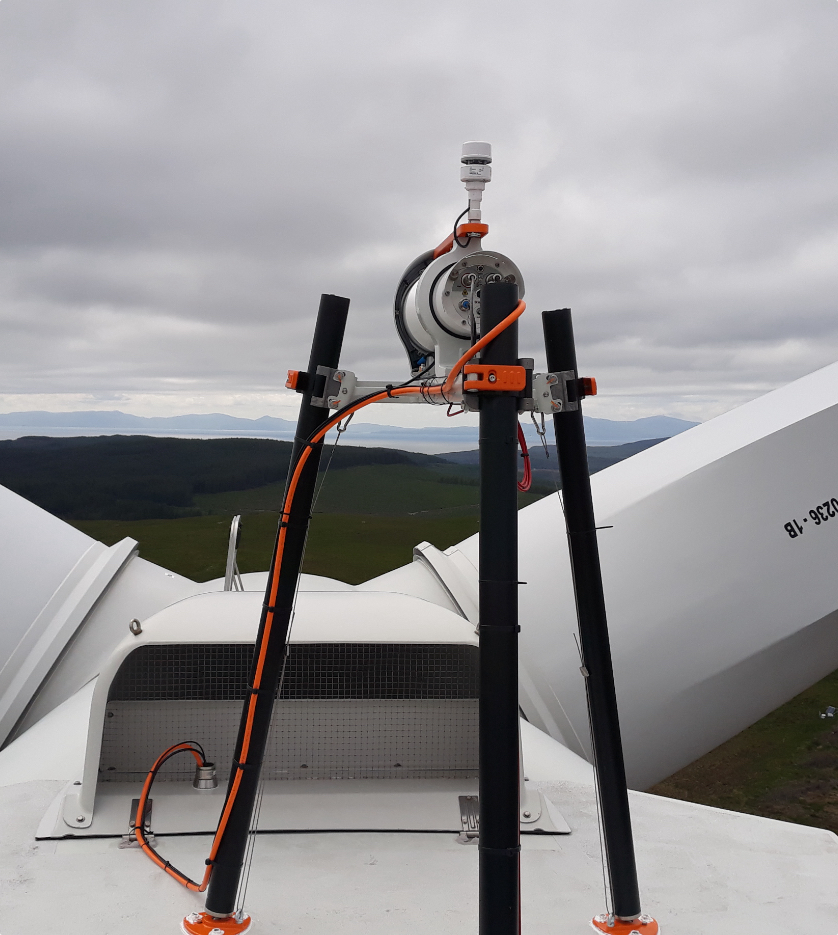
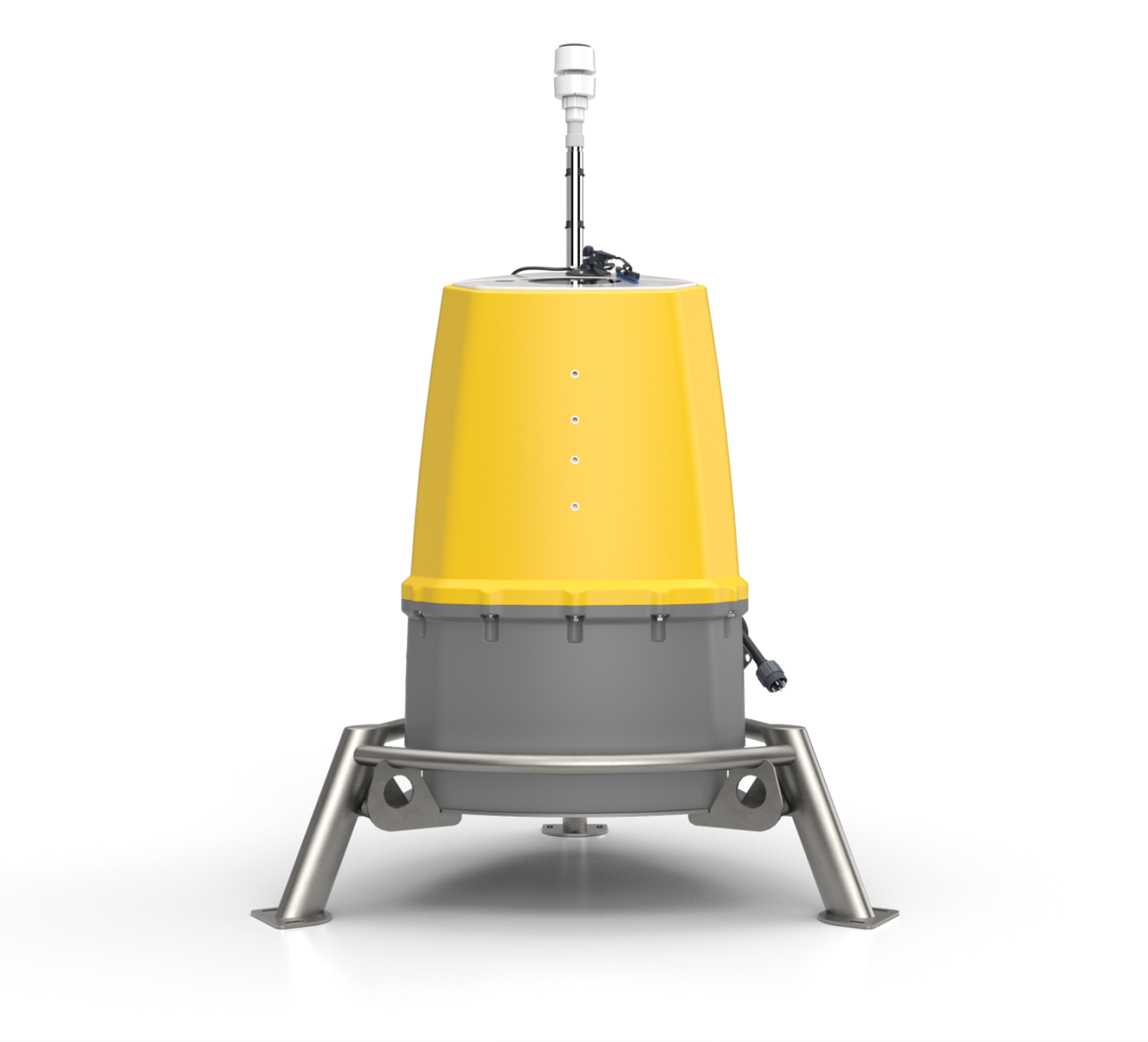
The ZX 300e wind Lidar supports repowering projects by providing high-precision wind measurements from 10 m above ground level up to 300 m. This full vertical coverage ensures that wind conditions at both the lowest blade tip and the highest rotor point are accurately captured for the new turbines. By delivering a complete wind profile across the expanded rotor sweep, ZX 300e reduces uncertainty and helps project developers optimize turbine selection and predict performance for repowered sites. Further practical benefits include:
- Rapid Deployment: Quick setup at existing wind farm sites without the need for tall met masts or extensive permitting. Lidar units can be installed and relocated easily, keeping repowering schedules on track.
- Bankable Precision: ZX 300e delivers finance-grade wind data accepted by independent engineers and banks. This gives confidence in repowering investment decisions, with Lidar data having been used to support wind farm refinancing and repowering projects
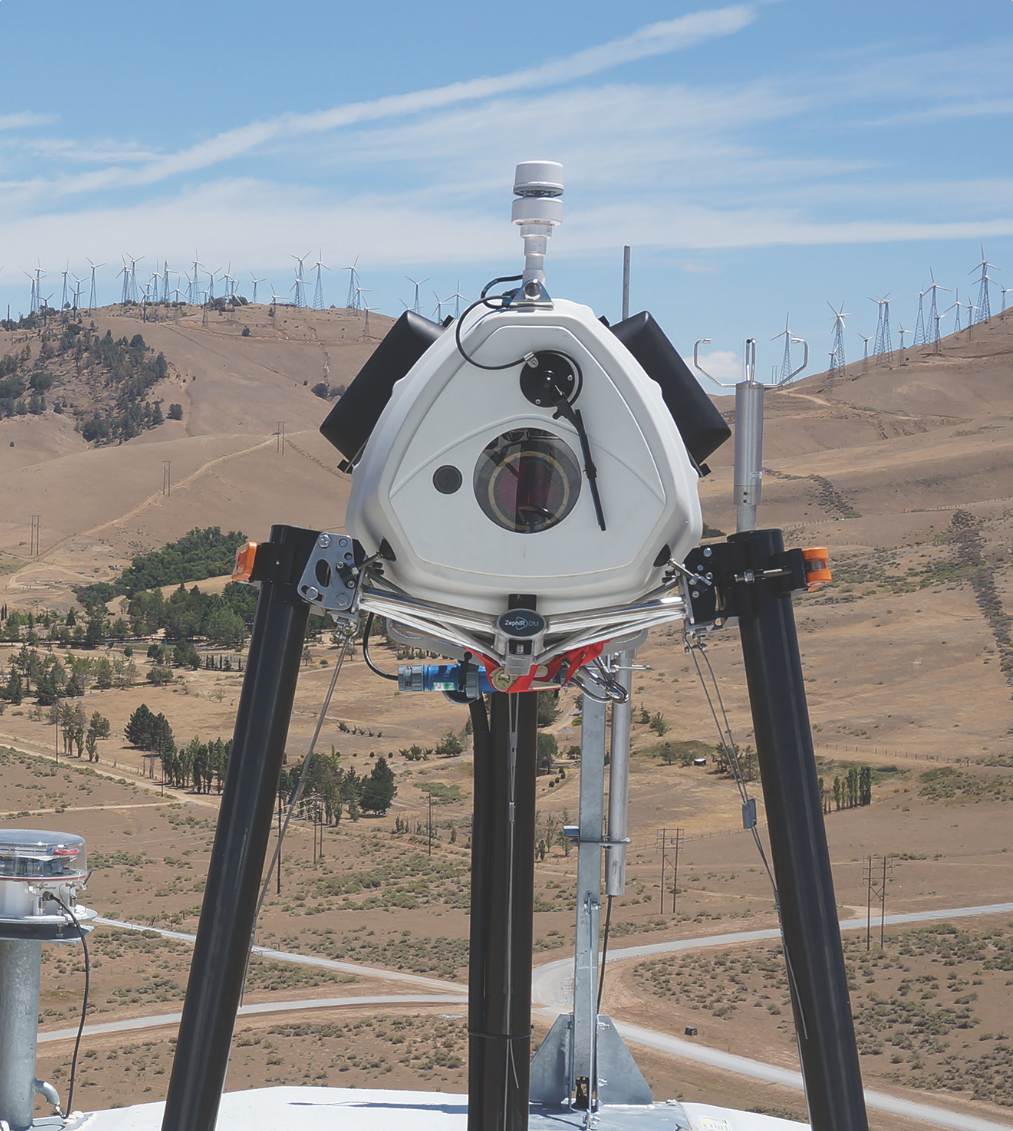
- Minimal Disruption: The remote, ground-based Lidar operates independently of the turbines, allowing continuous wind monitoring even while original turbines are still running or during construction. This non-intrusive approach maintains safety and operational continuity throughout the repowering process.
- Cup-equivalent TI: ZX 300e delivers the new METICE output for cup-equivalent TI that wind turbine manufacturers can utilise for load and fatigue calculations in the design and feasibility of new turbine selection.
Each of these advantages helps wind farm owners and project developers de-risk their repowering initiatives. By uniquely measuring wind speeds down to 10 m height, ZX 300e enables larger rotors on existing towers to be assessed with confidence – supporting the next generation of high-output turbines on repowered wind farms.