




Independent performance verification results for ZX 300e, by DNV
Confidence in any wind measurement device is ultimately about certainty: reducing the uncertainties that matter to a customer when they rely on the measured data. Those uncertainties have several components that can be effectively managed during any wind resource assessment. One is the performance validation of the individual measurement device. Another is the classification uncertainty, which accounts for the environmental sensitivities associated with a device type. For wind Lidars, ZX has historically also gone further by evidencing the stable repeatability of Lidar manufacture, because consistent manufacturing performance eventually reduces the need to verify every individual unit at a reference mast. ZX has previously produced substantial evidence of repeatability of Lidars at the UK Remote Sensing Test Site, where access and site control make this practical. At modern turbine hub heights, opportunities for independent verification against 200 m reference masts remain limited. Access to reference infrastructure of this scale is uncommon, and independently verified datasets are not always made publicly available.
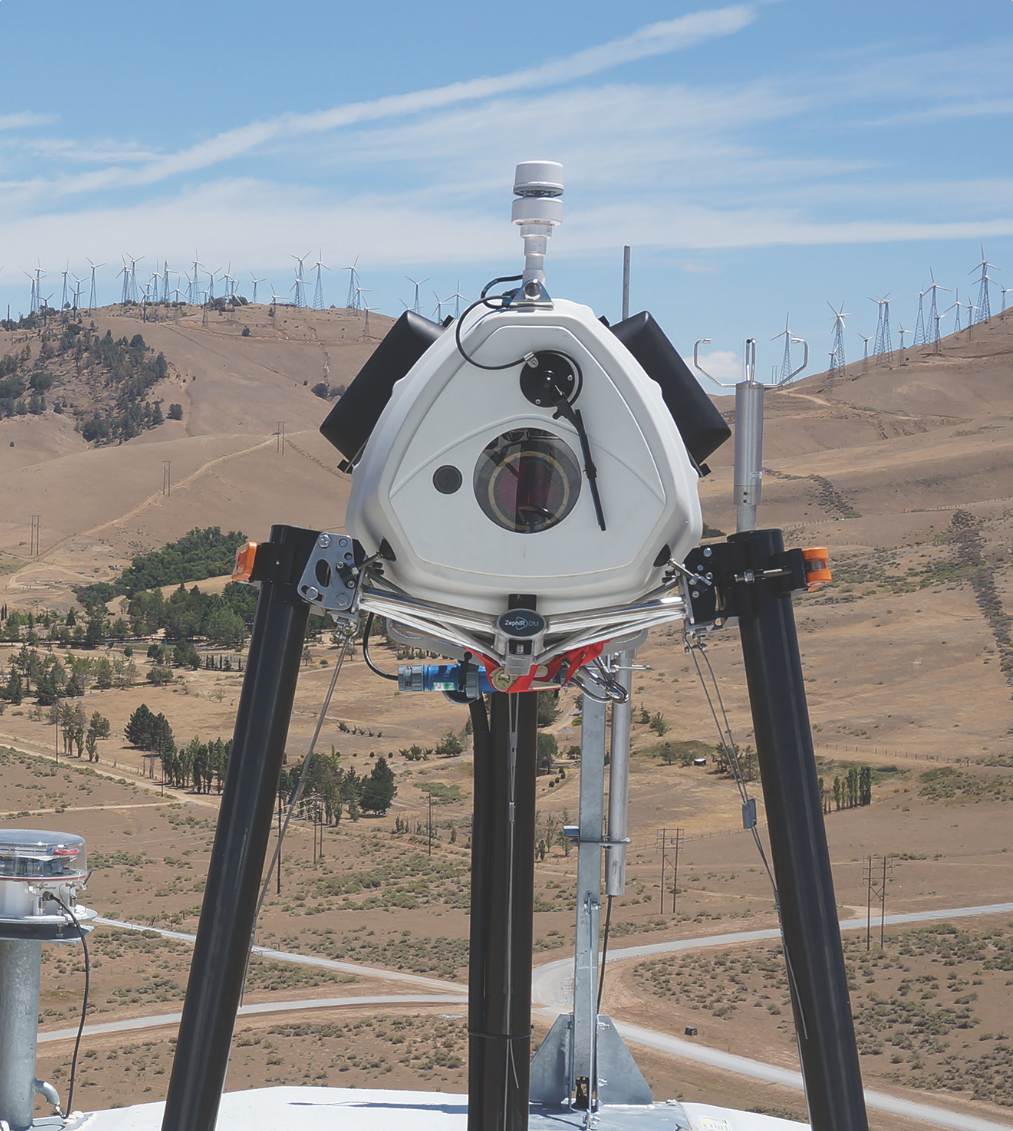
The appendices (summarised below and available on request) provide details from two independent DNV Performance Verification Reports for ZX 300e wind Lidars (ZX6003 and ZX6004), conducted at the DNV Rodewald remote sensing test site in Hannover, Germany. Both Lidars were evaluated against the same 200 m reference mast using IEC 61400-50-2 and DNV Best Practice verification methodologies. These reports provide a transparent dataset for assessing ZX 300e performance at heights relevant to modern wind projects.
Assessed during separate campaigns, both Lidars demonstrated closely aligned wind speed measurement performance. The reports provide a direct comparison of two ZX 300e wind Lidars assessed under the same verification framework, allowing the consistency and repeatability of the measurements to be evaluated.
Verification Summary
|
KPI |
ZX 6003 |
ZX 6004 |
|---|---|---|
|
Data Availability (minimum) |
92.6% |
97.1% |
|
Wind Speed Gradient Range |
0.933 – 1.008 |
0.997 – 1.011 |
|
Measurement Uncertainty (maximum) |
2.88% |
2.86% |
|
Assessment Heights |
60 – 200 m |
60 – 200 m |
Both ZX 300e wind Lidars met the DNV Best Practice database requirements and demonstrated performance within the stated acceptance criteria.
ZX 300e has also undergone IEC Classification in accordance with IEC 61400-50-2. The assessment included multiple test sites, multiple reference masts, extended measurement campaigns and a wide range of environmental conditions, providing independently verified performance data across a 20-200 m measurement range. ZX 300e remains the only Lidar with the best possible outcome of the classification process – a 0% Classification Standard Uncertainty / Accuracy Class.
Against this background, the Hannover studies provide a practical demonstration of repeatability. Two separate ZX 300e Lidars, independently assessed against the same 200 m reference mast using the same methodology and acceptance criteria, delivered closely aligned measurement performance. The consistency of these results provides additional evidence that the observed performance is representative of ZX 300e technology.
You will receive an email within 5 working days of your request.